Tag: cleaning made easy

  • How to Remove Spray Paint from Plastic

    Removing paint from plastic is a tricky task as compared to metal, ceramic and wood. Plastic needs special attention to keep the material in real shape. Spray paint cleaners can easily damage or even melt the plastic. It is always good to use safe spray paint removal methods. Here are five best remedies for how to remove spray paint from plastic.

    1.How to Remove Spray Paint from Plastic Using Paint Scrapper

    How to Remove Spray Paint from Plastic Using Paint Scrapper

    It is a decent idea to use paint scraper for removing paint. A Plastic razor blade or putty knife can be a good choice. Don’t apply too much pressure as you may scratch the plastic surface while removing paint. Be careful with a razor blade. It works best with thick, dried up paint.

    2.How to Remove Spray Paint from Plastic with Vegetable Oil

    How to Remove Spray Paint from Plastic with Vegetable Oil

    Vegetable oil is another best option to loosen the spray paint on a plastic surface. Place a small amount on a rag and rub vegetable oil on the affected area until the spray paint starts to come away. It may take some time to remove spray paint from plastic with vegetable oil but you have to try few times.

    3.How to Remove Spray Paint from Plastic with Nail Polish Remover

    How to Remove Spray Paint from Plastic with Nail Polish Remover

    Put an adequate amount of nail polish remover on the affected area. Use a paper towel to rub it. If the spray paint doesn’t come off readily, give solution 10 to 15 minutes and then rub it again.

    4.How to Remove Spray Paint from Plastic with Denatured Alcohol

    How to Remove Spray Paint from Plastic with Denatured Alcohol

    Paint thinner only works on a wet paint. If you are unable to remove spray paint from plastic using nail polish or vegetable oil, denatured alcohol can be effective in such case. But denatured alcohol works only on latex-based paint and not on oil-based paint.

    Denatured alcohol carries more health risks as compared to other solvents (WeightLossandTraining). So it is wise to have proper preparations before using it. Wear rubber gloves to protect hands before applying alcohol on the paint. Choose a well-ventilated place for work and don’t forget to wear a respirator. You can also use an electric fan to induce air movement in a workspace.

    First of all, apply denatured alcohol on a small area to confirm it will not damage the plastic. After a successful test, place a decent amount of denatured alcohol on the paint. Now, wait for several minutes to allow the paint to dissolve. Use a plastic putty knife to scrape it off when the spray paint begins to wrinkle. Scrub the area using a rag until the paint is removed.

    Scrub the Area at the End

    After removing a decent amount of spray paint from a plastic surface it’s time to give it a final touch. Take a sponge and pour warm water on it along with detergent. Scrub the area with the sponge to remove alcohol or other remaining chemical and any residue of the paint.

    Final Words

    The spray paint removal process depends on the type of plastic and the paint too. Depending on the plastic and paint nature, one method can be more effective than others.
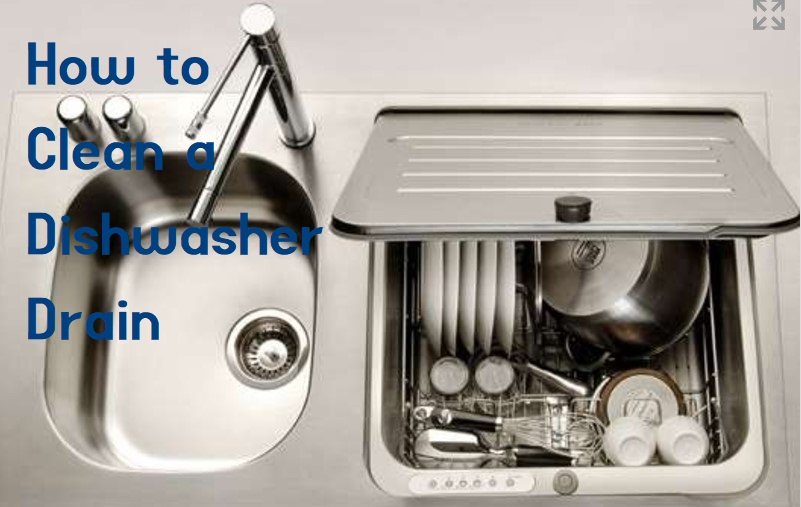
  • How to Clean a Dishwasher Drain

    Dishwasher drains often gets clogged with grease build-up, food debris etc. When your dishwasher stops draining completely after it is used then it indicates your drain is clogged. So the question is how to clean a dishwasher drain effectively. There are many ways to clean a dishwasher drain at home. Here are some easy ways for how to clean a dishwasher drain.

    How to Clean a Dishwasher Drain

    1.How to Clean a Dishwasher Drain by Cleaning the Drain Filter

    Take a damp cloth to clean the filter and remove debris. Remove any debris or food waste remained in your dishwasher. Take a damp cloth and wipe around the filter and catch basin.

    For example, you can find small particles like seafood shells, noodles, bones or glass shards.

    Unscrew the Filter

    Use owner’s manual for how to remove the filter on your dishwasher. Commonly, four screws hold the filter. In order to access the filter, you need to remove the bottom rack of the dishwasher.

    Wash the dishwasher filter with water and remove grease or debris attached to the filter. The dishwasher will not drain properly if the filter is clogged.
    You can use a wet vac to clean off grease or other remaining from the filter.

    After cleaning the dishwasher filter, reconnect it using a screwdriver. Remember put all the screws in place before tightening. You will not need to unscrew all the screws if you drop a screw into the dishwasher bottom.

    2.How to Clean a Dishwasher Drain- Unclogging the Drain

    How to Clean a Dishwasher Drain- Unclogging the Drain

    Remove the bottom rack to unclog the dishwasher drain from inside. You will be able to access to the drain, filter and catch basin. Disconnect the power before working on the dishwasher.

    Remove the drain catch and filter using a screwdriver located in the center bottom of the dishwasher. Read the owner’s manual to locate and remove the dishwasher filter.

    After removing the filter and drain catch, the drain will appear in front of you. Remove the clogs from the drain with an auger or straightened wire hanger.

    Cleaning Procedure

    Pour vinegar and baking soda mixture down the drain. Use vinegar and baking soda solution to flush out the drain. Pour two tablespoons of vinegar and one tablespoon of baking soda down the drain.

    You can also use commercial drain cleaner for unclogging drain but they may contain harsh chemicals which mostly remain in a dishwasher.

    Give the solution 10-15 minutes to sit properly. The vinegar and baking solution helps to break up clogs that remain in the drain. Pour hot water down the drain after 15 minutes to remove the mixture along with any remaining debris.

    Now connect and run the dishwasher on a normal cycle after unclogging the drain. The dishwasher will drain properly and water will no longer pool in machine bottom.

    3.How to Clean a Dishwasher Drain- Removing Clogs from the Drain Hose

    How to Clean a Dishwasher Drain- Removing Clogs from the Drain Hose

    Turn off the dishwasher power by removing the plug before doing anything.

    Read given instructions on a dishwasher owner’s manual to know how to locate and disconnect the hose from the dishwasher.

    After locating the hose, use pliers to pinch the wire clamp and slide it up the hose. Place a catch basin under the hose also to collect any spills that can come out of the hose.

    After disconnecting the hose, trying wiggling the hose to loose remaining that may be trapped.

    After removing the clog from the hose, attach the hose to the dishwasher. Now plug in the dishwasher and run it on normal cycle without dishes. The dishwasher will drain properly and water will not pool in the machine bottom.

    4.How to Clean a Dishwasher Drain- Maintaining a Clean Dishwasher

    You can also use precautionary tips to ensure the dishwasher drain doesn’t clog again. Your dishwasher also shares a drain with the kitchen sink. If kitchen sink is clogged then it can also a backup dishwasher. Immediately run garbage disposal before using the dishwasher. It will help to clear the drain and also makes the dishwasher even more efficient.

    In most cases, the dishwasher drain gets clogged with large food particles that trap in the drain or filter. Removing the food particles from the dishes before loading them in a dishwasher can help you to prevent this problem. You can keep a dishwasher clog-free and clean in such way.

    Don’t over rinse your dishes. It is a good idea to remove food particles from dishes before loading the dishwasher, don’t soak your dishes. The dishwasher needs a little grease. Without grease or grime, the soap will form during the washing cycle and it can be dangerous to the machine too.

    Over usage can also cause clogs in dishwashers. You can also save money and extend the dishwasher lifespan by running it when it is full. Don’t run the dishwasher for partial loads.

    Additional Tips

    Before cleaning the drain, always unplug the dishwasher.

    Contact a licensed plumber if you are not able to unclog the dishwasher drain. An expert plumber will help you to fix the clogs and keep your dishwasher running in proper shape again.