Tag: Baking soda and vinegar

  • HOW TO CLEAN BATHROOM SINK DRAIN

    Slow or clogged drains are common and ordinary problems with bathroom sinks. Fortunately, there are many methods to fix it typically with simple, easy and time saver methods almost within few minutes or span of time. The cause of this problem can be hairs, gummy soap which stuck that causes the stopper or pivot rod and clogs the drains. Let us share some of the most effective and useful remedies on how to clean bathroom sink drain.
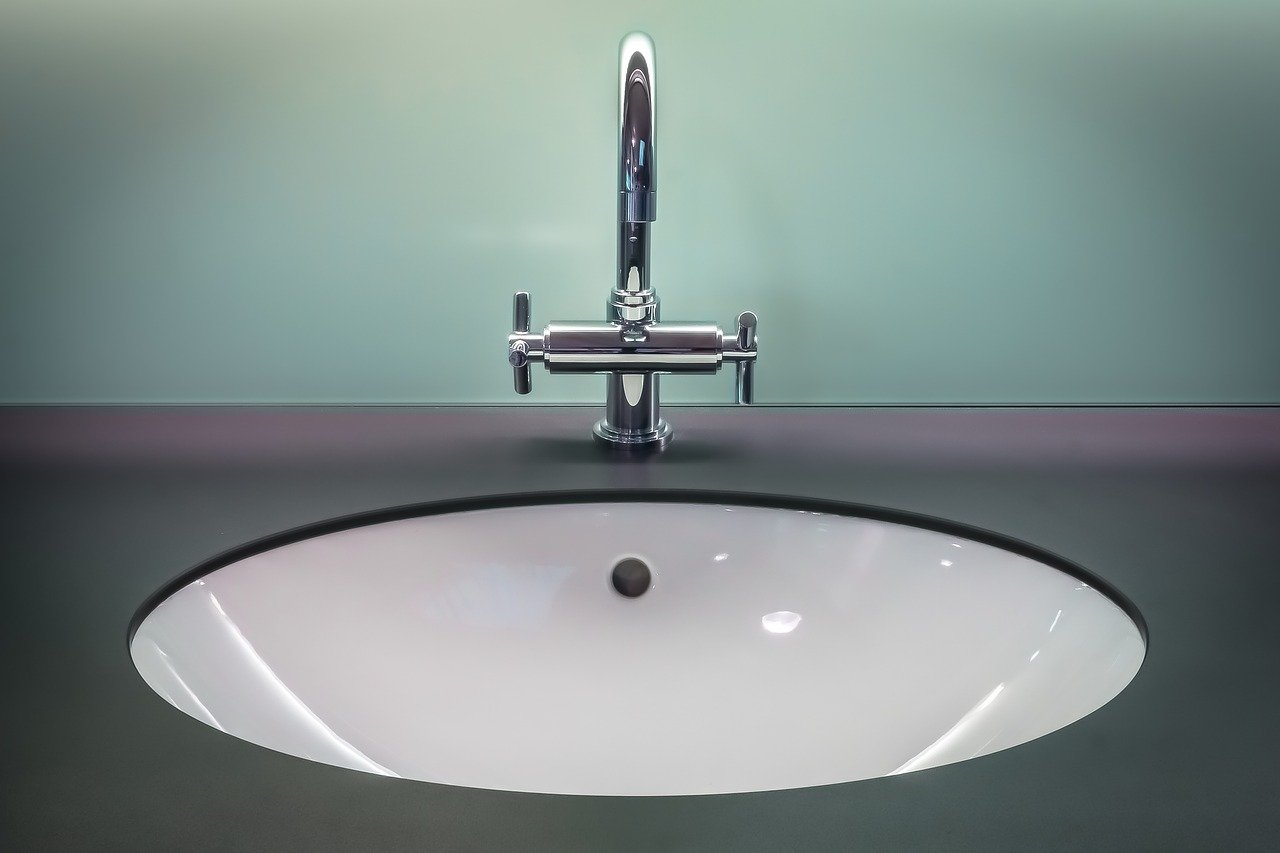
    how to clean bathroom sink drain

    In those few handy methods, I am telling you some of easiest methods to make it easy for you to perform it while cleaning the bathroom sink drain.
    how to clean bathroom sink drain

    How to Clean Bathroom Sink Drain WithWire/Coat Hanger

    You will need some tools to clean bathroom sink drain with this method. Grab some necessary tools for this DIY task that will save your time and frustration. Use (1) Slip joint pliers (2) Stiff wire or wire coat hanger.

    How to Clean Bathroom Sink Drain WithWire/Coat Hanger


    How to Clean Bathroom Sink Drain WithWire/Coat Hanger

    • Use (1) Slip joint pliers (2) Stiff wire or wire coat hanger.
    • Pull out the stopper; notice if it’s coming out, then pull it out.
    • Sometimes it will come out immediately, but if not it’s held with pivot rod.
    • If that is so, release the stopper by removing the pivot rod nut & pulling out the pivot rod.
    • If you can’t loosen it up, use the pliers.
    • With the pivot rod pulled out you will be able to lift out the stopper.
    • Then to have the clog out, bend the wire in a tight hook (with a light-duty clothes hanger or short length of electrical wire will work out)
      Take out the hairs.
    • If you didn’t have to remove the pivot rod to remove the stopper, you can just drop the stopper back down into the drain.
    • If you have removed the pivot rod, firstly drop the stopper into the drain.
    • Next, line up the pivot rod with the slot in the stopper and reinsert it. Finally, hand-tighten the pivot rod nut.
    • Run hot water down the drain to help clear out any remaining soap scum and to check that the clog is gone.
    • Check around the pivot rod nut to make sure it’s not leaking.
    • If you see drips, tighten the pivot rod nut slightly with a plier.

    How to Clean Bathroom Sink Drain with Lemon, Baking Soda, Vinegar and Boiling Water

    How to Clean Bathroom Sink Drain with Lemon, Baking Soda, Vinegar and Boiling Water

    It uses natural solvents. Instead of relying on drain cleaner products, which are often corrosive and can cause allergic reactions and respiratory problems, you can use household items that you can find easily at your home like rags, baking soda, vinegar, lemon and boiling water.


    • Gather your materials.
    • Measure out the ingredients.
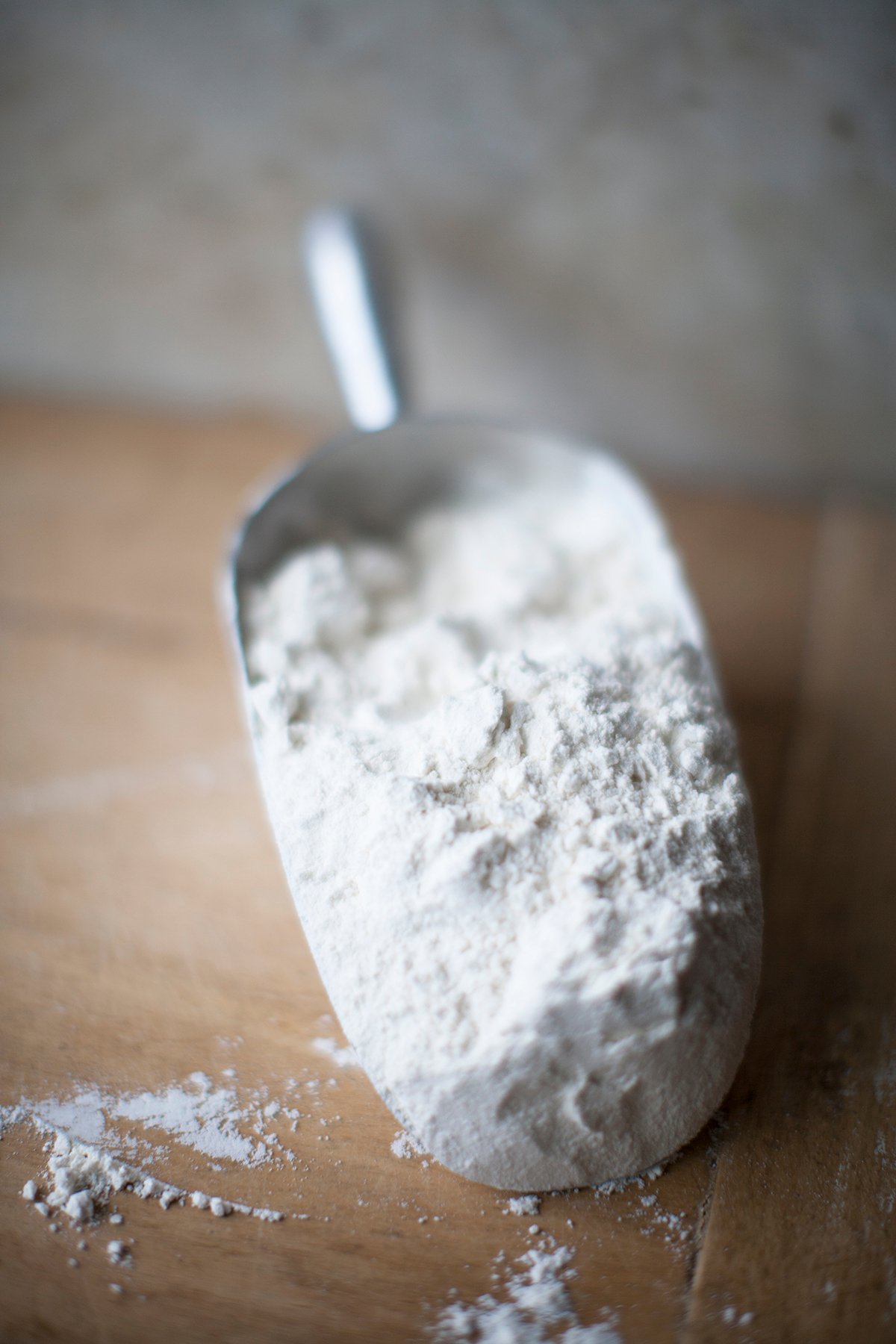
    • Take ¼ cup of baking soda, 1 cup of white vinegar and 1 large pot of water to boil.
    • Have a rag or sink stopper handy.
    • Pour the baking soda into the drain.
    • Make sure that most of the baking soda falls directly into the drain rather than around it in the sink.
    • Pour in the cup of vinegar.
    • A fizzing noise and bubbles may come up due to the chemical reaction.
    • This is completely normal and should mean that the chemicals are eating the blockage in your sink.
    • Plug your drain with a rag or sink stopper.
    • The above step will stop the bubbles from rising up and will keep the chemical reaction concentrated on the clog.
    • Wait for fifteen minutes.
    • Allow the baking soda and vinegar reaction to fully work their magic here! While waiting, you should heat up the pot of water to boiling point.
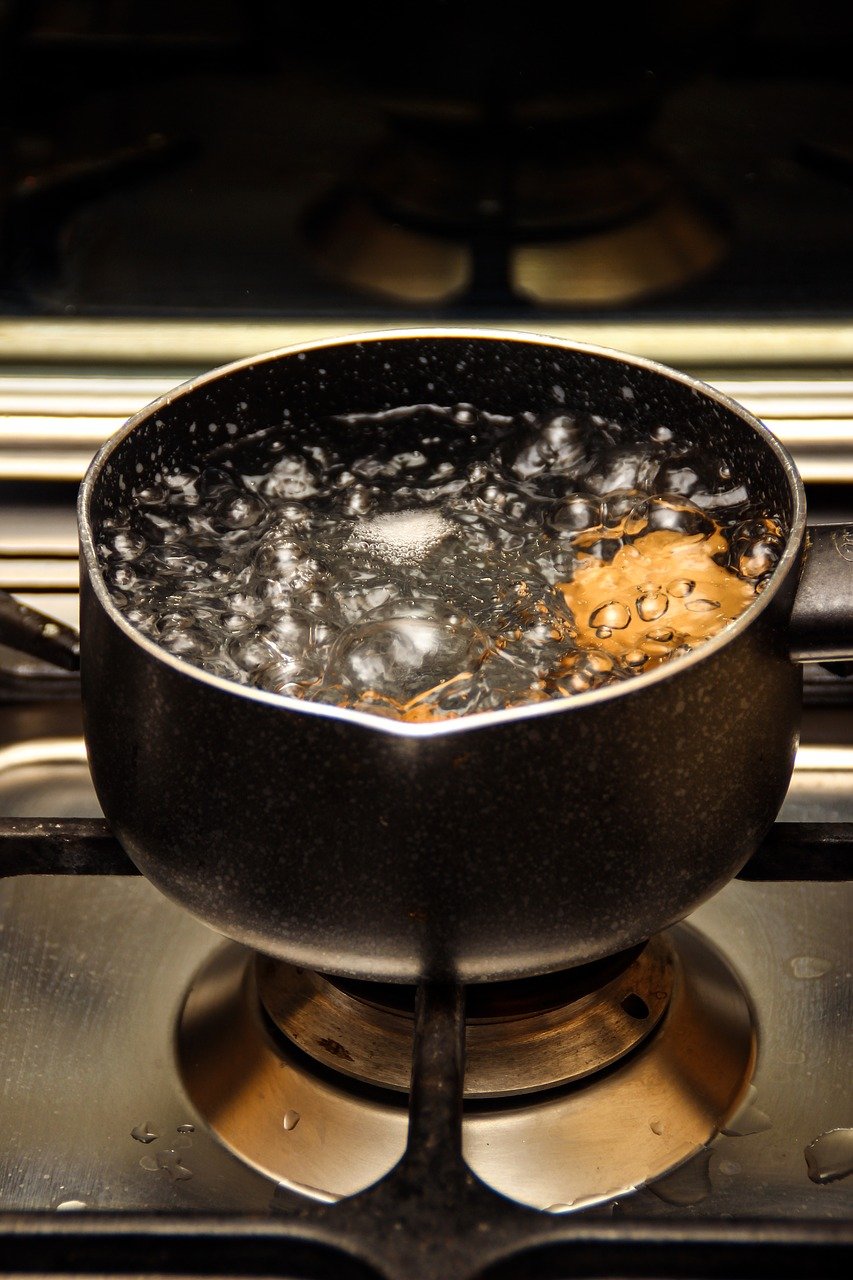
    • Pour in the pot boiling water.

    How to Clean Bathroom Sink Drain with Lemon, Baking Soda, Vinegar and Boiling Water
    The above step will push down the baking soda, vinegar, and blockage.
    As you pour the water watches if the sink is draining any faster.
    If it is still not going in normal speed, there can still be a bit of the blockage.
    Try to repeat the process again if this happens.
    Before pouring in the boiling water, you may squeeze in the lemon juice, specifically if you notice an unlikeable smell coming from the sink.

    How to Clean Bathroom Sink Drain with Lemon, Baking Soda, Vinegar and Boiling Water
    Bathroom sinks usually become clogged by bits of hair which in the long run rot and smell bad.
    This additional step will defuse the odor and will also further assist break down that blockage.

    How to Clean Bathroom Sink Drain With Plunger
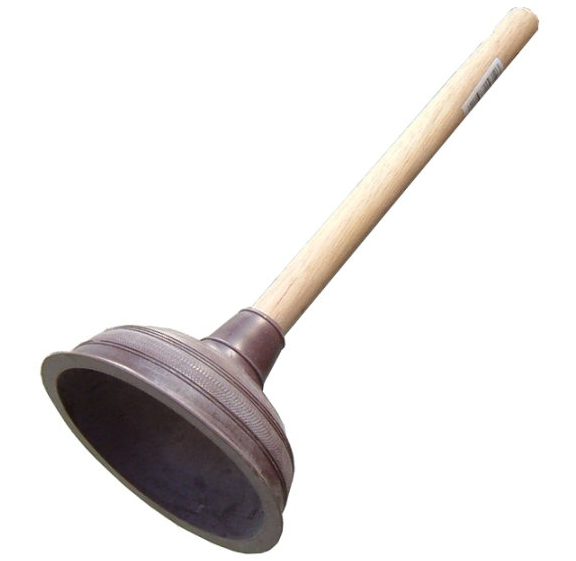
    How to Clean Bathroom Sink Drain With Plunger

    This method is of traditional way, using the plunger. Gather your tools.

    For this method, the only need is a flashlight and a plunger.
    You can purchase a smaller one specifically made for sinks at any hardware store but a deeply cleaned toilet plunger works very well.
    Remove stopper of the sink.
    This step is central otherwise you will just be plunging the stopper up and down rather than forcing up the clog.
    Using your hands pull the sink stopper up as far as it goes out of the drain. Then you need to turn it to the left and continue to unscrew until it comes out.
    Turn on the sink.
    Fill some water but just enough to cover the drain. An inch or so of water should be just fine.
    Generate a suction seal.
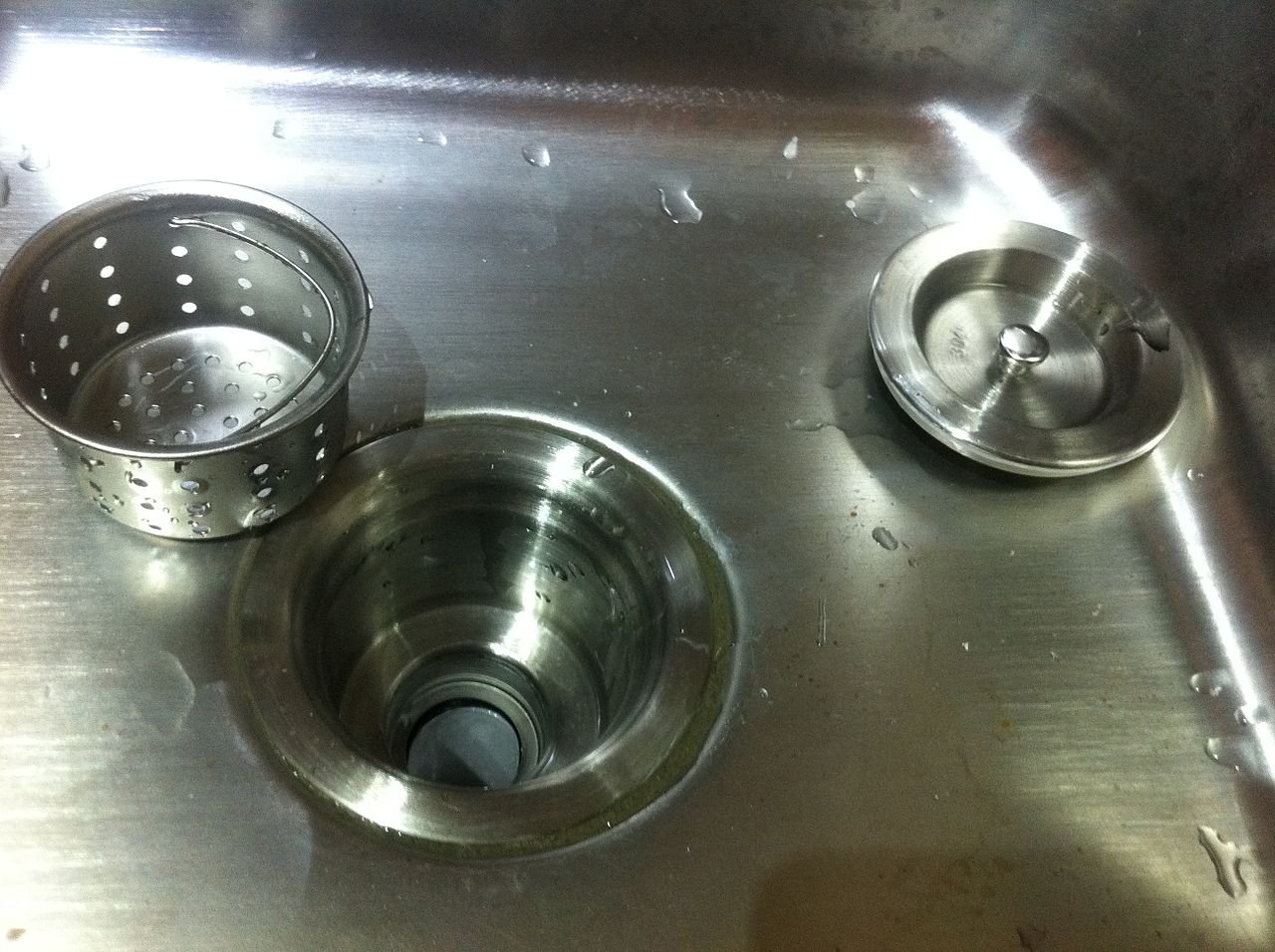
    How to Clean Bathroom Sink Drain With Plunger
    You need to place the plunger directly over the drain and press down once until you feel rubber bottom tighten into a seal.
    You may have to stand on a chair to make sure you are directly towards the sink.
    Plunge it.
    Using the handle of the plunger, plunge vigorously up and down about 10-20 times.
    Make sure that the plunger is tightly sealed around the drain, creating suction so that the plunger is actually forcing the blockage through.
    Remove the plunger for checking of blockage.
    Then shine the flashlight into the drain to check for the blockage.
    If you can see the blockage and can reach with your fingers and pull it out, do so. If not, repeat the steps until the clog comes out.

  • How to Clean a Microwave- Cleaning Hacks

    When it comes to microwave cleaning hacks, certain tips and tricks come in mind. But which one is possible, you can never know without experiment. Most cleaning detergents work quite effectively while washing dirty mess or other household items. Cleaning out dishwashers, refrigerators or any cupboard could be a hectic task without any quick remedies. Kitchen appliances are the most tricky to be cleaned and washed. Some fortunate ways are at our hand to remove any excessive smells and dirt from the appliances. Without any doubt, a microwave oven is amongst the most used kitchen appliances. But with consistent and careless usage, it gets dirty and demands proper cleaning. So here is a comprehensive guide on how to clean a microwave perfectly.

    How to Clean a Microwave Perfectly

    Baking Soda- The Cleaning Master

    Baking soda has been found to be a common ingredient readily available in our kitchens. It is one of the most basic cleaners. It’s quite inexpensive and multipurpose too! Everyone needs a multipurpose solution for every cleaning activity. It acts both as a detergent and a deodorant to eliminate bad smells or foul odors in any utensil or appliances. To remove stubborn stains from most surfaces this ingredient can create magical results. One can easily wipe off the dirt with this simple remedy. As compared to other cleaning solutions it’s not expensive either and easy to be applied.

    Baking Soda- The Cleaning Master

    Sometimes baking can be a tough task when you face a greasy stain full inside of microwave oven afterward. It becomes a difficult task to wash out spots and grease on the revolving glass plate inside. Baking soda can work as a miracle for your kitchen when cleaning a microwave.

    How to Clean a Microwave with Baking Soda

    You can make a paste of baking soda with water and use a sponge to wipe out any stains and grease from the oven. Similarly you can dissolve spoon full of baking soda in water in a bowl, then boil in microwave. This will give a stain free look afterwards with refreshing smell. You can remove greasy stains by adding baking soda on the microwave plate making a paste and then clean with a sponge. You can use baking soda instead of detergent; apply paste with a waste toothbrush to remove stains from affected area. Baking soda simply absorbs odors; it neutralizes the acidic smells and eliminates them. Baking soda is the most convenient solution for kitchen cleaning. It can simply transform your kitchen into an all clean look.

    If your microwave smells like rotten eggs or some baked pizza or other meals, you can remove that by cleaning and deodorizing with a solution of baking soda mixed with water. You can then wipe down the inner sides of a microwave. You don’t need to worry when using baking soda as a cleaning agent; it gives effective and long lasting results.

    With some explosions and splattering of food particles inside the microwave, it gives a disgusting look. You don’t need any commercial detergents for this; just use a baking soda solution for that. Excessive chemicals can cause a harsh effect on the microwave surface, avoid doing that and make your job easier by scrubbing less and quick cleaning. It’s a natural, environment friendly item in your kitchen for your help. Scrubbing with baking soda can make it lot easier to handle any grim or tough spots on the microwave.

    How to Get Rid of Annoying Microwave Smell?

    Foul smells can also spread out when there is some leftover food in the microwave. Once you open up the microwave you get a bad experience. Using it again you need to wash and deodorize it thoroughly.

    When there is some scorching food stuck inside the oven, you can use a damp cloth to wash it and remove any spots or splatters inside. Sprinkle some baking soda on the surface of microwave and wipe off all interior with cloth or sponge. It is gentle enough to be used for a microwave. Use a cloth to remove any residue material left behind. If you don’t have much time for cleaning baking soda is an instant cleaning hack. Every kind of contamination can easily be removed from the microwave by using this clean solution without the use of harsh chemicals.

    Simple Steps to Use Baking Soda

    Vinegar and lemon can serve the purpose also but they are expensive as compared to baking soda. So use a natural solution and get your desired results.

    Place a bowl inside microwave with two tablespoons of baking soda and water in it. Set the microwave timer for 3 minutes. The baking soda will absorb all odor and dirt will be removed from inside walls with steam. Take out the bowl and remove tough stains from the microwave walls. Wipe off with a cloth or towel.

    Simple Steps to Use Baking Soda

    Another way is to use a sponge and dip in baking soda with water solution and scrub the microwave interior. This could be the smartest way to clean out the nasty looking microwave. You can freshen up your oven with a just simple trick, even if no one is willing to do so. After removing the particles and cleaning inside, you will get a wonderful smell with quick freshness. Baking soda can be used as a freshener for your microwave as it works in your fridge. Place a baking soda box inside the microwave when you are done with baking and get smell free and clean look all the time.

    Although cleaning microwave looks tedious but you can maintain it regularly to ensure a great smell of food inside the oven. Get awesome results without any risk or damage to your microwave.

    Some safety measures, please be sure the power cord is not attached while cleaning task. Examine the inside carefully and then spot the dirtiest parts inside to be washed. This will be helpful in your cleaning process. Make sure to have some cleaning paper towels with you also to wipe out any dirt and interior cleaning. Now then you can make a baking soda paste or solution to remove any mess inside.

    How to Clean a Microwave with Vinegar and Baking Soda

    Vinegar and Baking Soda can be combined to use for cleaning also. This method will be repeated to get best results until no baking soda remains inside.

    How to Clean a Microwave with Vinegar and Baking Soda


    You can use many methods for cleaning according to your availability but this one proves to be inexpensive of all. It will allow you to get rid of bad odors; it’s easily used the ingredient and natural household item too. Get a cleaner microwave and enjoy your food!

  • How to Remove Hard Water Stains from Toilet Bowl Naturally

    Hard water can quickly build up on faucets; showers, sinks and toilets, and over time can leave rust and scale stains that are very unsightly and often extremely difficult to clean. Nowhere is this more problematic than in a toilet, which sees a lot of use and holds standing water constantly. Here are the simple procedures on how to remove hard water stains from toilet bowl naturally.

    How to Remove Hard Water Stains from Toilet Bowl Naturally

    There are many cleaning products available on the market that can be used to remove hard water stains in the toilet, but some of the most effective cleaners are common household products. There are several different options that can effectively remove hard water stains from plumbing fixtures without the use of harsh chemicals. Try one of the following options for cleaning a stubborn toilet bowl ring.

    How to Remove Hard Water Stains from Toilet Bowl Naturally

    How to Remove Hard Water Stains from Toilet Bowl Naturally

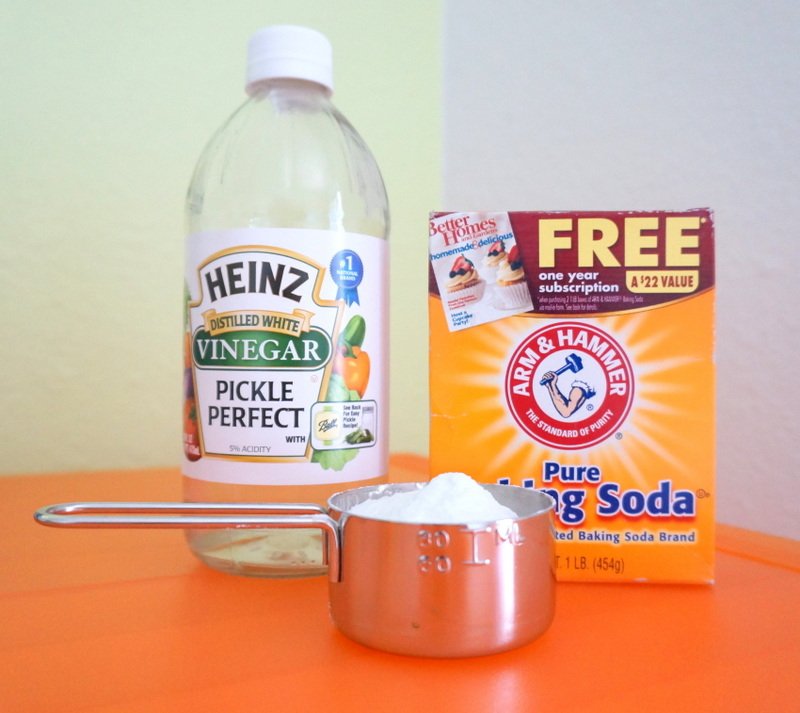
    Baking Soda and Vinegar

    Baking soda and vinegar are two of the most useful common household products that can be used to clean many things, including hard water stains in the toilet. The process is as follows:

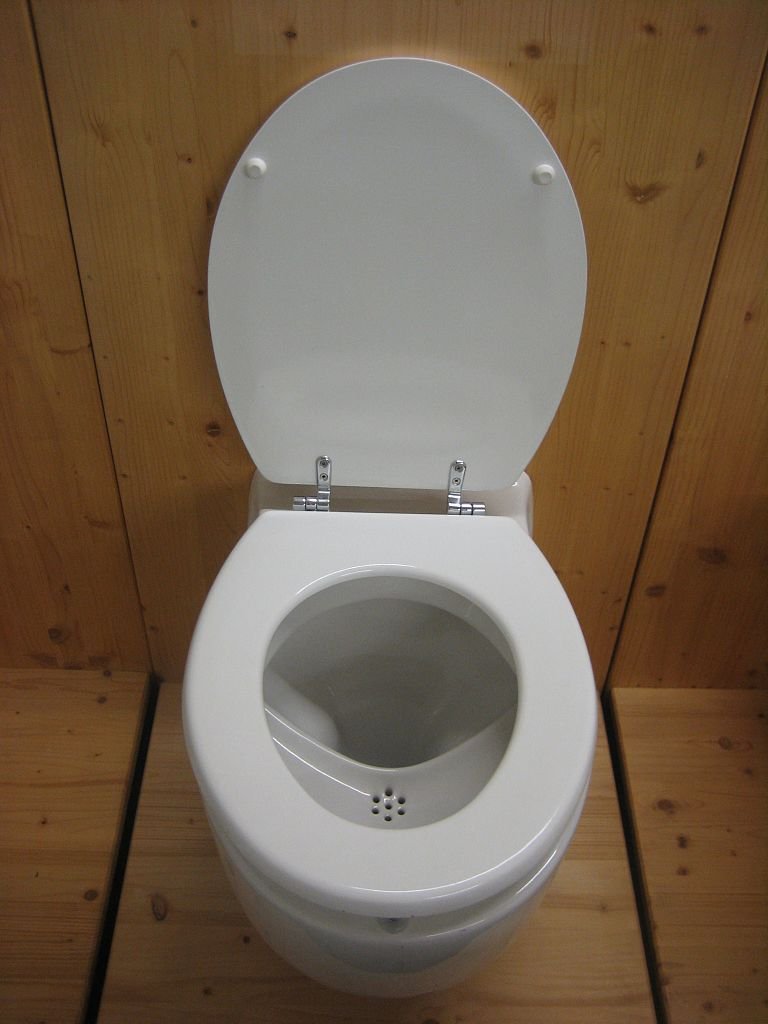
    •Pour about a cup of vinegar into the toilet bowl and swish it around with a toilet brush. Let it sit for about a minute.
    •Then add about 1 cup (amount doesn’t need to be exact) of baking soda to the toilet bowl and follow it by adding another cup or two of vinegar.
    •Allow about 10 minutes for the fizzing action to work.
    •Use a toilet brush to swish the solution around the bowl, making sure to get the solution onto any stains that are above the water line. Don’t flush the toilet.
    •Let the vinegar and soda solution sit a while. Then, try scrubbing away any remaining stains.

    Handy Tip

    While you have the baking soda and vinegar out, use them to give the bathroom sink drain a boost with some homemade drain cleaner.

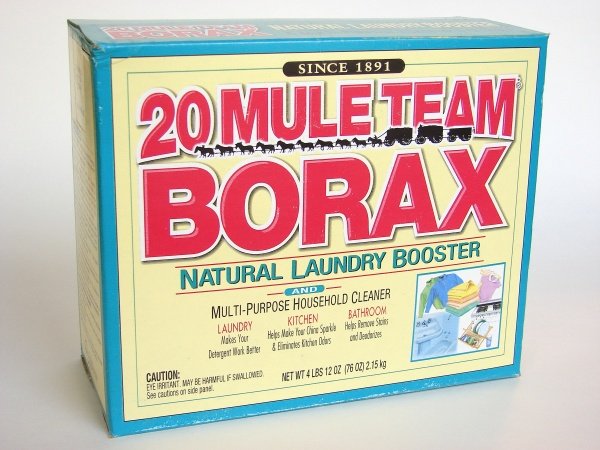
    Borax and Vinegar

    Borax and Vinegar


    Borax is a great multi-purpose cleaning product that can be effectively used to clean hard water stains in the toilet and other plumbing fixtures. Following is the process:

    • Pour 1/4 cup of Borax into the toilet bowl and swish it around with a toilet brush.
    • Then add 1 cup of vinegar and allow the mixture to sit in the bowl for about 20 minutes.
    • Finish by scrubbing the bowl with a toilet brush to remove hard water stains.

    Borax Paste

    To remove serious stubborn hard water toilet stains, try using Borax paste. Following is the step by step process:

    • Start by shutting off the water to the toilet and draining the toilet so that the hard water stains are not covered by water.
    • Make a paste by mixing 1/2 cup of Borax and enough vinegar to form a thick paste.
    • Immediately spread the paste onto the hard water stains in the toilet to cover them. The Borax will harden quickly so don’t add the vinegar until you are ready.
    • Allow the paste to sit for 15 to 20 minutes. Then, scrub the paste and stains off.

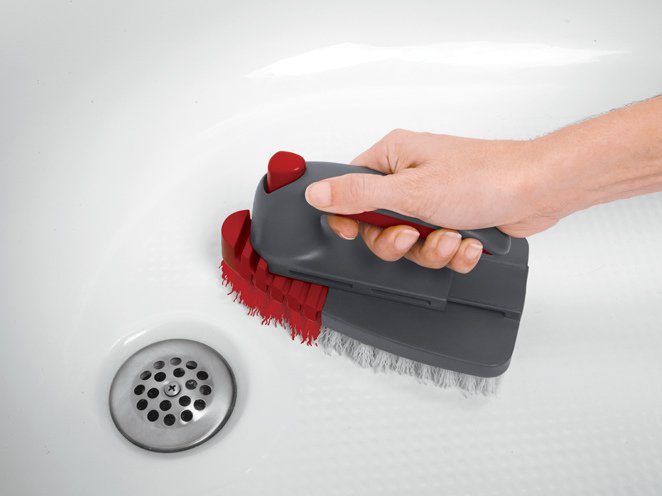
    Scour with a Scrub Brush

    Scour with a Scrub Brush

    After applying Borax paste, you may have better results if you use a scrub brush instead of a toilet brush. The Borax paste sticks and hardens and a scrub brush will allow you to apply enough elbow grease to work the paste and stains off. Make sure to wear rubber gloves whenever working with chemicals by hand, even common household ones.

    Scrub with Sandpaper

    Scrub with Sandpaper

    Another option for scrubbing stubborn hard water stains in the toilet is extra-fine-grit wet sandpaper. A good choice is fine drywall sandpaper, but other wet/dry sandpaper can also be used. Use the sandpaper with any of the mixtures noted in the previous steps to scrub off any remaining hard water build-up from the toilet bowl.

    Note: You don’t want to scratch the porcelain, so be sure to use extra-fine-grit sandpaper and never sand it dry. Keep the area wet as you scrub to prevent damage to the finish.

    Clean the Toilet Regularly

    There is no need to use harsh and costly chemicals to remove hard water stains in the toilet. Borax, vinegar, and baking soda do a great job of cleaning and disinfecting. It can prevent hard water stains from building up.

    To keep a toilet clean and free of hard water build-up try a regular cleaning with Borax, since it can help to soften hard water. Just use 1/4 cup with every cleaning.

  • Ways To Clear Clogged Tub Drain Standing Water

    CLOGGED TUB DRAIN STANDING WATER

    A clogged tub drain standing water creates trouble in the home. If the water is always reaching your feet or even higher every time you take a shower, then you most likely have a clogged bathtub drain problem. It is a bigger problem to fix but not impossible. Mostly the hairs in the strainer are clogging the bathtub. It is important to fix this issue as soon as possible because standing water can create more problems for your home and bathroom.

    CLOGGED TUB DRAIN STANDING WATER

    HAZARDOUS STANDING WATER

    Standing water creates a spawning pool for mosquitoes which can be a nuisance to you if allowed to reach its adult form with the continuous breed. Standing water causes mold and mildew to form which is a breathing hazard for anyone in the home.

    WAYS TO UNCLOG CLOGGED TUB DRAIN STANDING WATER

    A clogged bathtub drain can be removed in several ways such as by using a Plunger or by cleaning the strainer or stopper and other methods. If after trying these all the tub is still clogged, then use a Snake to remove the drain.

    Method 1

    •Cleaning the Stopper

    If the water is draining slowly, then remove the strainer or stopper and clean out any junk.

    Method 2

    •Baking soda and vinegar

    Baking soda and vinegar

    Baking soda has a cleaning power. It gently wears away strains. When mixing with vinegar, it creates a carbonic acid, a weak acid that boosts the corrosive action of vinegar. As a weak alkali, baking soda neutralizes acids in odor molecules to eliminate the potent smell. Therefore,
    try baking soda. First, remove the stopper and pour boiling water into the drain with baking soda and vinegar. Wait about 15 – 20 minutes and then flush with hot water.

    Method 3

    •Using the Plunger

    Using the Plunger

    Mostly bathtub clogs are caused by unwanted hairs, soap scum or other bathroom products. These are easily visible and therefore can easily be cleared with your fingers.

    If after removing hairs and other visible products there is still a problem then use a Toilet Plunger to remove the blockage. A plunger is a tool which is used to remove blockages in drains and pipes.

    How to use the Plunger

    Following are the steps of using a plunger to unclog the bathtub.

    Fill the bath tub with few inches of water.

    Start plunging your bath tub’s drain. You have to use some force here. After about ten plunges, check if the dirty water and gunk are coming out of the drain.

    If the pipe looks cleared, then run some hot water to clear any residue remaining.

    If no positive results found, then you should use a different method.

    Method 4

    •Snaking a Tub drain

    If you have tried everything but the problem is still not resolved, then a Plumbing Snake is the last resort. Plumber’s Snake is a flexible auger which can be used for cleaning sink and bathtub drains.

    STEPS TO SNAKE A TUB DRAIN

    Feed the snake down through the overflow plate opening and turn the handle on the drum that contains the coiled up snake.

    Keep pushing more of the snake into the drain until you feel some resistance.

    Continue turning the handle until you feel the clog starts to break up.

    The snake will either break the clog, or your turning will hook the end of snake onto the clog, and you can pull it out.

    Try running water down the drain while moving the snake in the drain. If the clog is clear, the drain will run free. However, if the clog is not cleared, you may have to repeat the process to clear the drain.

    HOW TO AVOID A CLOGGED BATH-TUB DRAIN

    It is better to prevent the clog from happening in the first place. Instead of spending time and effort when the things get backed up, put effort on a monthly basis.

    Keep your Bathtub drains free flowing by following the tips below:

    Pour boiling water on a monthly basis.

    Pour half cup of baking soda into the drain and then add a half cup of vinegar. After few minutes rinse it with a hot cup of vinegar. It will not only clean the drain but clean smelling as well.

    Don’t drop pieces of soap by assuming that they will dissolve. It is how soap builds up in the drain.

    For slow drains in old houses, pour a bottle of bleach down the tub drain once a month in the evening. In the morning, heat up a tea kettle and pour one gallon of water down the clogged drain.

    The last option is to call the plumber if the situation is getting worse.